Consai
Building AI agents embeds for your website.
Consai is my first SaaS application, built with the goal of making money, which influenced all our decisions.
I built it with my friend Leo. We saw an opportunity in AI and decided to create a product we could sell to businesses. To compete, we needed to ship fast and validate the idea quickly.
I handled the full application (backend and frontend), while he focused on the AI API.
Along the way, we faced several challenges and had to stop thinking like developers and start thinking like CEOs.
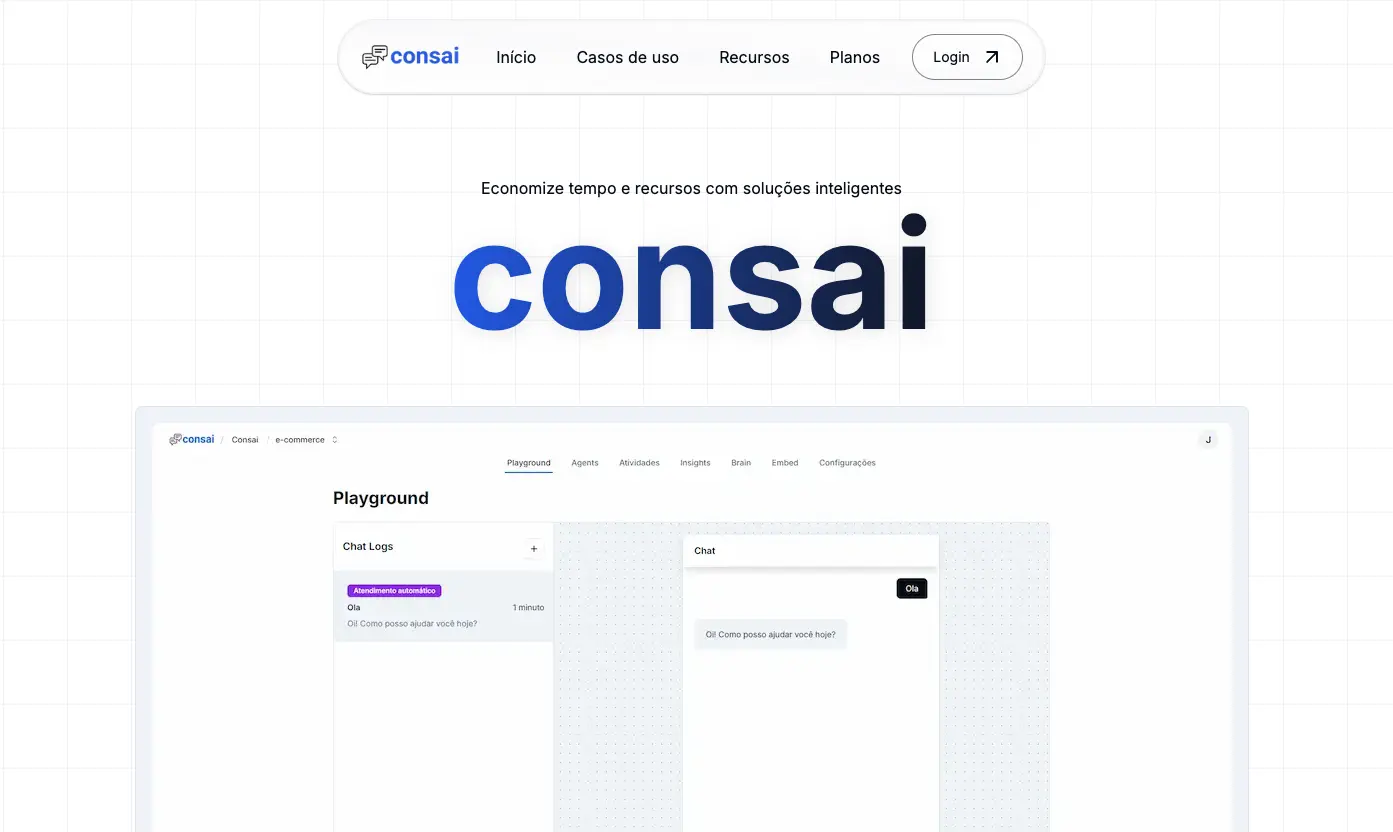
Project Purpose and Goal
Our goal was to maximize revenue potential and build a strong alternative to existing solutions.
At the same time, we wanted to learn more about market dynamics, sales, marketing, and product growth.
Key Features
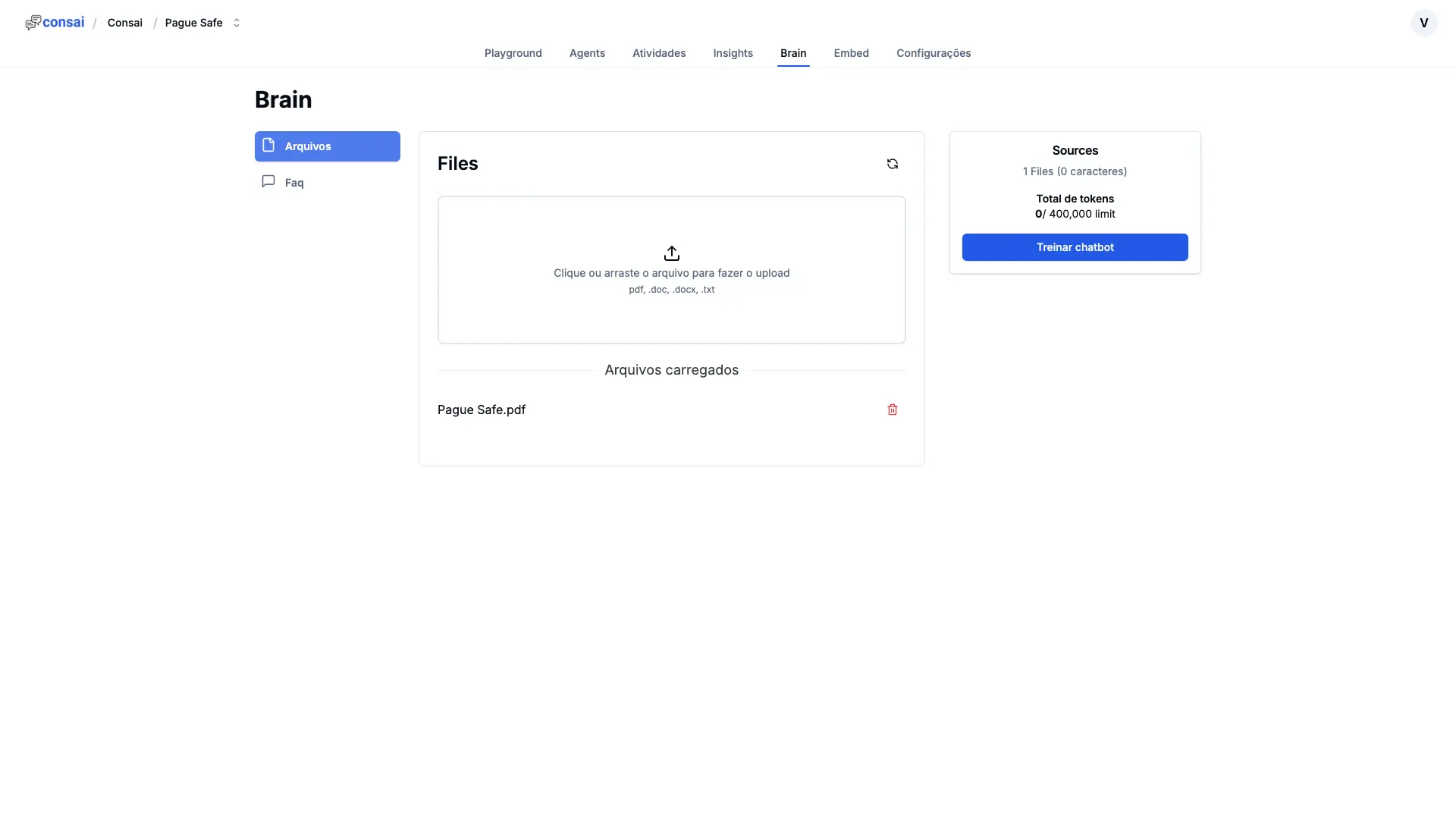
A robust SaaS foundation, including:
- Authentication
- Stripe integration with plan limits
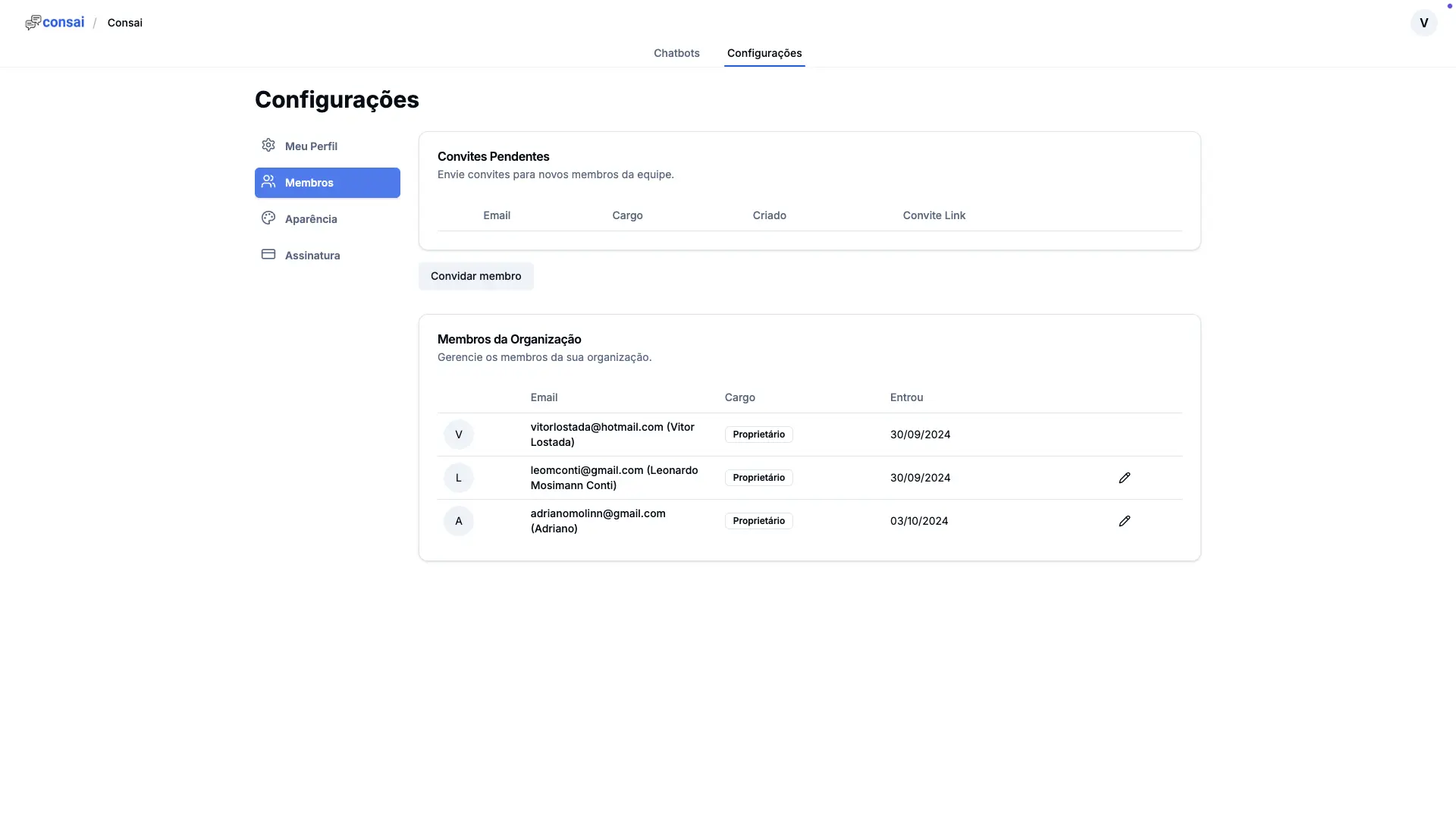
- Organization and project management
- Team invites
- A basic landing page and app structure
- A fast CLI/script to spin up a new project structure in seconds
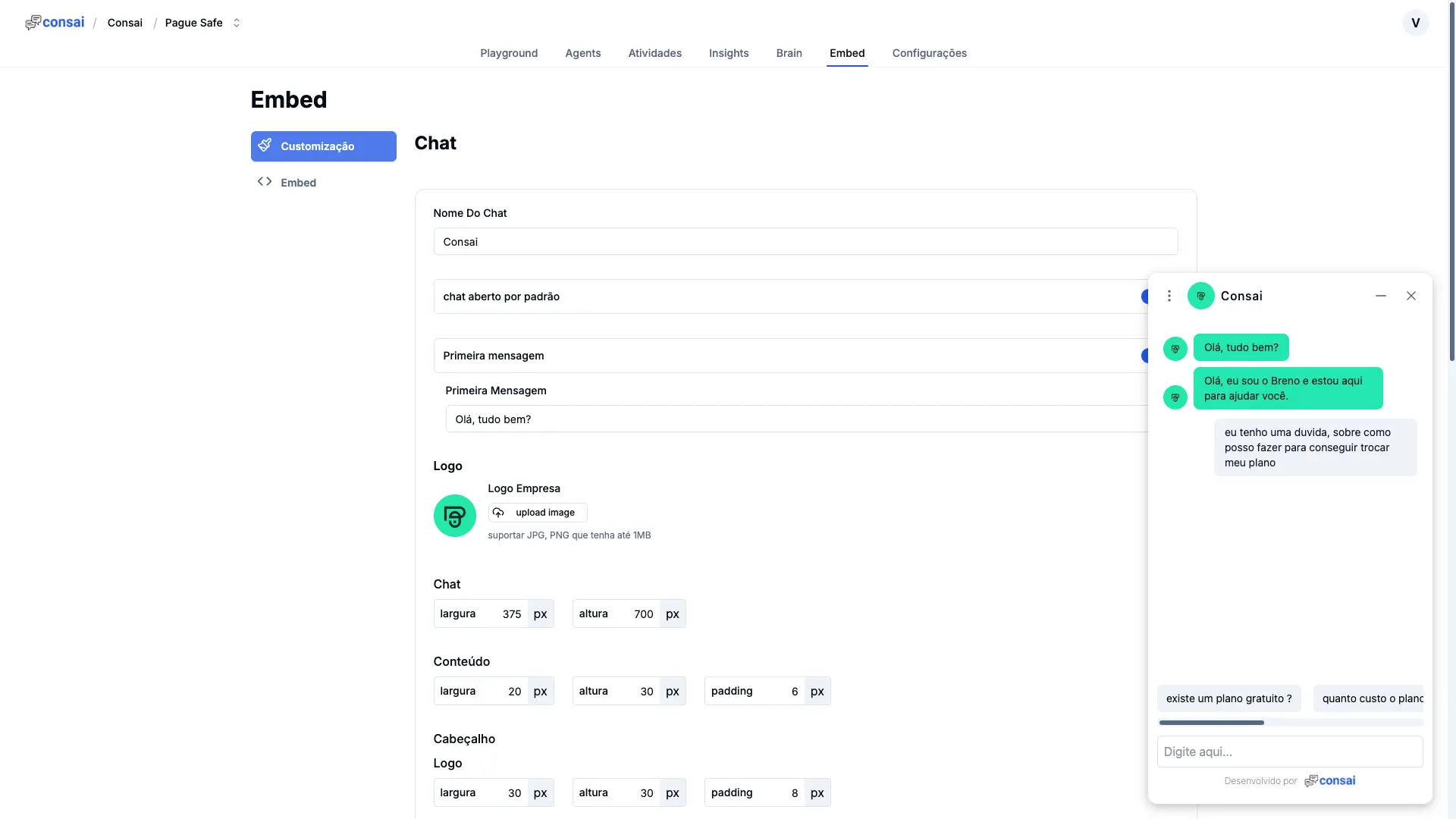
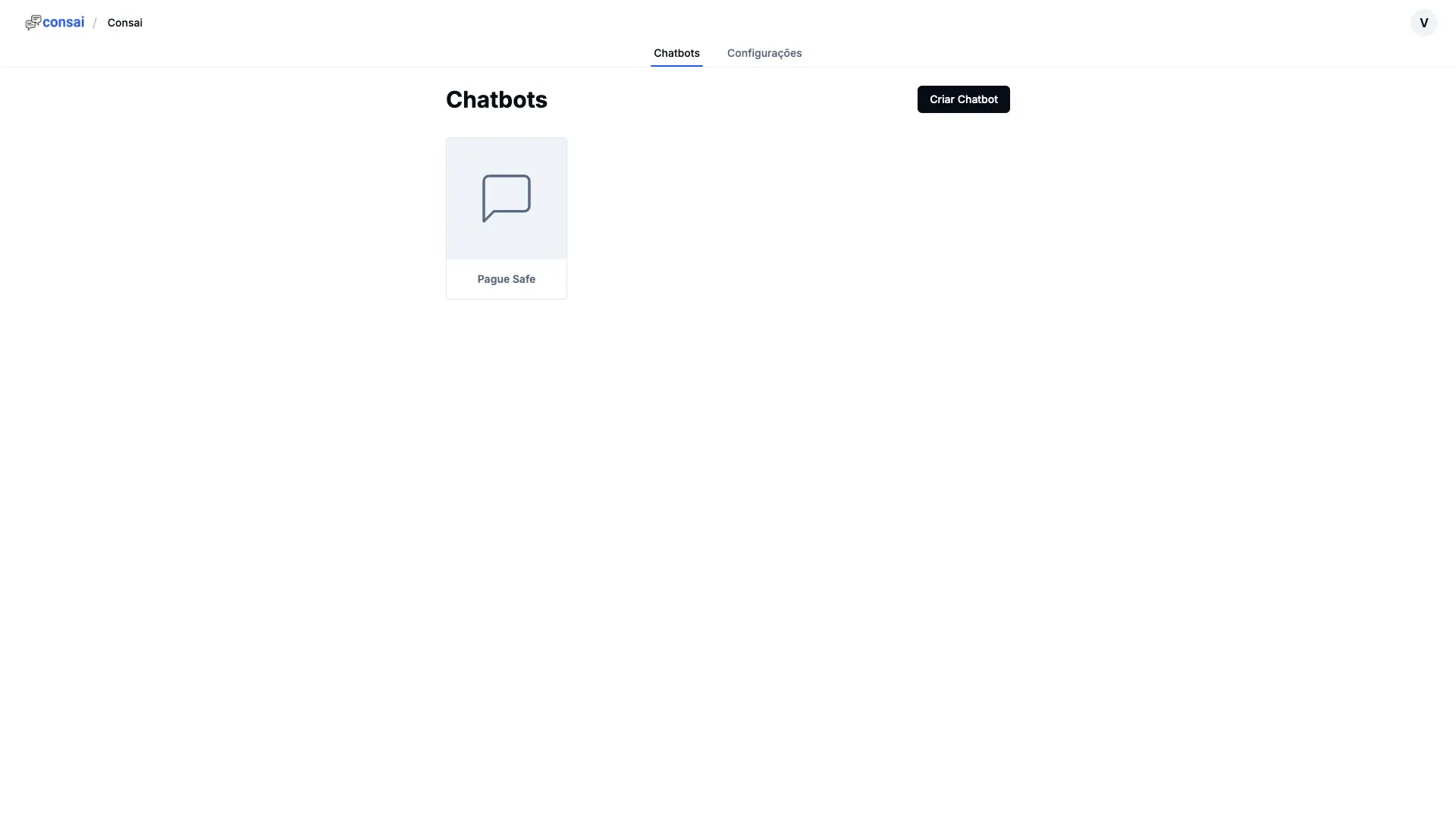
An embed widget that can be added to any website and fully customized to match the brand.
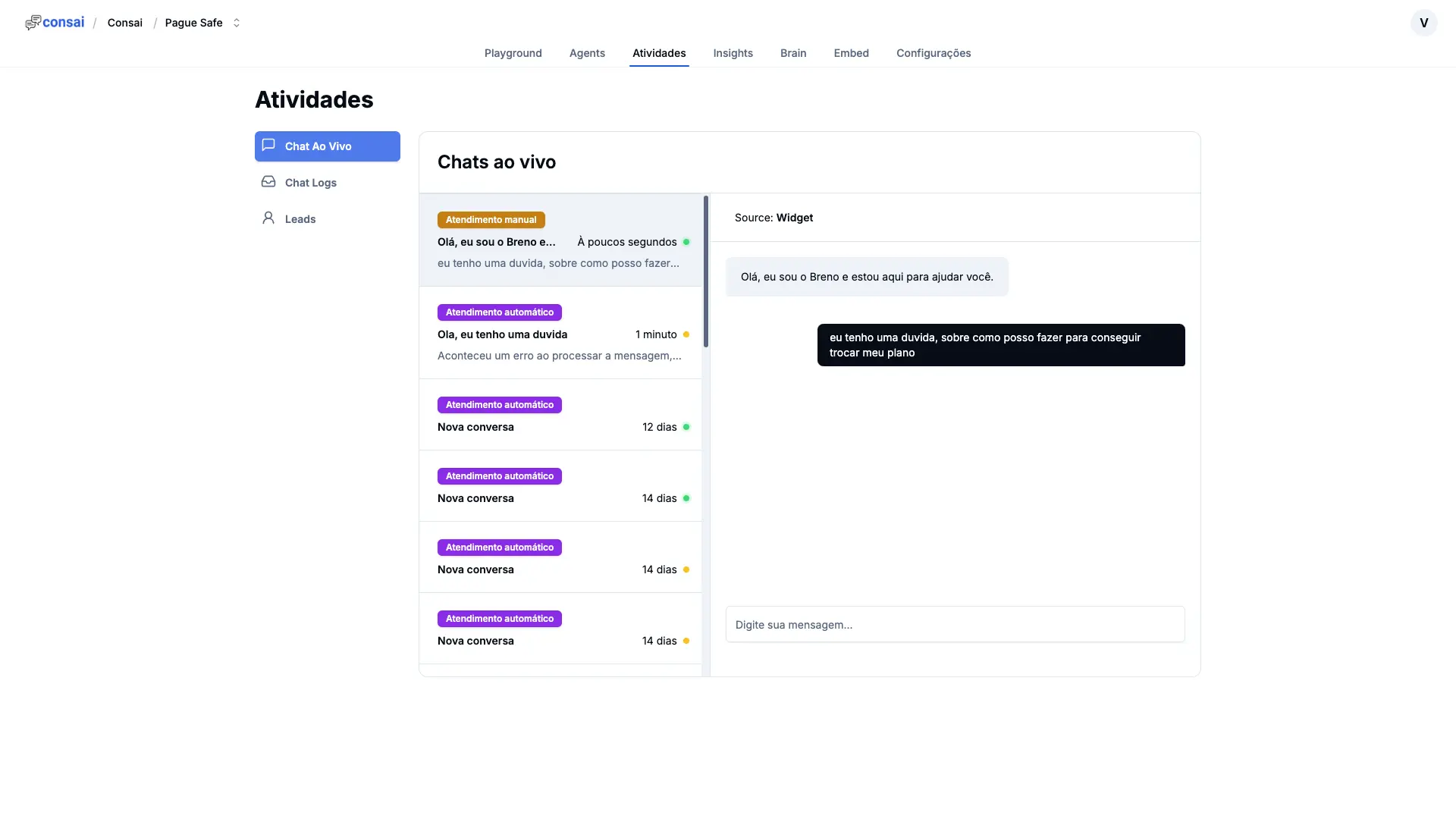
A real-time chat where users can pause the AI and take over the conversation.
A playground to test agents.
Smooth animations to improve the overall experience.
Problems and Thought Process
At the beginning, I thought our biggest problem was technical.
We initially built the product as if it were for a large company with a mature product. I focused heavily on best practices, architecture, and polish, which slowed us down.
But the real problem was business.
Leo and I were stuck in a loop of optimizing the product instead of selling it. We kept improving the software, but we were not talking to enough customers, testing sales channels, or learning how to actually bring the product to the market.
To move faster, I simplified the architecture to a basic MVC approach, which significantly increased our development speed.
Since we were working in our spare time, we brought in an intern. I assigned tasks like improving the UI and responsiveness, while I focused on core logic and key features.
The hardest challenge was distribution.
We experimented with affiliate partnerships to have others sell the product, which helped us connect with potential customers and market players.
At some point, we saw more competitors entering the space and made the wrong conclusion: we thought there would not be enough room for us in the market. Looking back, that was the dumbest mistake of the project, Today I can see a lot of companies that did the same thing and are still successful...
The presence of competitors was not proof that the opportunity was gone. It was proof that the problem was real and that companies were willing to pay for solutions like this.
Lessons Learned
This project taught me a lot about business reality: users don’t care about your tech stack, they care about the outcome.
One key lesson was understanding that building is only one part of the job.
When building an MVP, sales and validation matter more than perfect code.
I also learned that competitors should not automatically scare you away. In many cases, they are a signal that the market exists. The real question is whether you can find a specific customer segment, sell to them, and deliver value better than the alternatives.
I also learned that mentoring multiplies output.
When you guide people properly, they don’t just execute tasks, they grow into self-driven contributors who take ownership and create impact.
Finally, I learned to focus on strategic work, selling, validating, positioning, and building only what actually moves the product forward, instead of just building what feels interesting.